The True Cost of Owning a Car (And How to Reduce It)
When people budget for a car, they usually think about the purchase price or the monthly loan payment. But that's only one piece of a much bigger picture. Between fuel, insurance, maintenance, and depreciation, the true cost of owning a car annually often runs thousands of dollars beyond what most drivers expect — and a lot of that cost is hiding in plain sight.
Understanding where that money actually goes is the first step toward reducing it.
What Owning a Car Really Costs Each Year
The total annual cost of car ownership typically breaks down into several categories, and most drivers underestimate at least a few of them:
- Depreciation. This is usually the single biggest cost of ownership, even though it never shows up on a bill. A new car can lose a significant chunk of its value within the first few years alone.
- Fuel. Costs vary with gas prices and how much you drive, but for an average commuter, this adds up to a meaningful annual expense.
- Insurance. Premiums vary widely based on your vehicle, driving history, and coverage level, but this is a recurring cost every driver pays regardless of how much they drive.
- Maintenance and repairs. Routine service (oil changes, brakes, tires) plus the occasional unexpected repair adds up over a year — and tends to increase as a vehicle ages.
- Registration and fees. Smaller than the categories above, but still a fixed annual cost that's easy to forget when budgeting.
Add it all together, and the real cost of keeping a car on the road is almost always higher than the number people have in their head.
Why Deferred Maintenance Quietly Raises Your Costs
Here's where long-term financial thinking really matters: skipping or delaying routine maintenance doesn't lower your annual cost of ownership — it just shifts that cost forward and makes it bigger. A skipped oil change can shorten engine life. Ignoring a check engine light can turn a minor sensor issue into a major repair. Worn brakes left unaddressed can damage rotors that would have otherwise been fine.
The cars that cost owners the least over time aren't the ones that avoid the shop — they're the ones that get consistent, proactive care.
How to Reduce the True Cost of Ownership
The good news is that several of the biggest cost categories respond well to smart, proactive decisions:
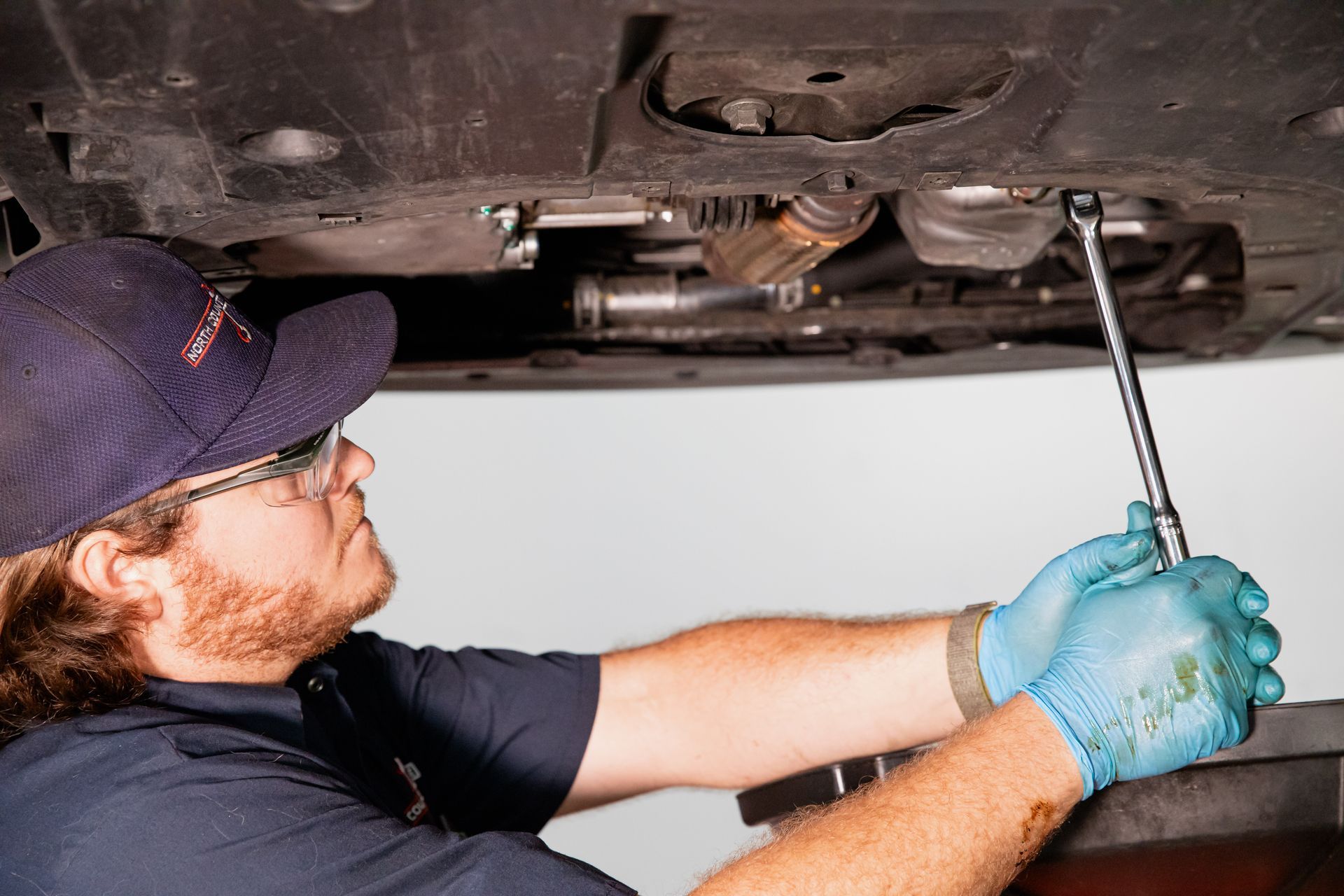
- Stay ahead of routine maintenance. Oil changes, fluid checks, and tire rotations are inexpensive compared to the repairs they prevent down the line.
- Address small issues early. A strange noise or dashboard light is almost always cheaper to fix now than to ignore until it becomes a bigger failure.
- Keep tires properly inflated and aligned. This improves fuel efficiency and extends tire life, both of which add up over a year of driving.
- Compare insurance rates annually. Premiums shift over time, and loyalty doesn't always get you the best rate.
- Hold onto your car longer, with good upkeep. Once a car is paid off, a well-maintained vehicle is almost always cheaper per year to keep than financing a replacement.
- Choose a trusted, honest repair shop. Unnecessary upsells and repeat repairs for the same issue quietly inflate long-term costs — a shop that diagnoses accurately the first time saves money over the life of the vehicle.
The Long-Term Payoff of Preventative Care
Thinking about car ownership as a long-term financial commitment, rather than a series of one-off expenses, changes how maintenance decisions get made. A $60 oil change and a $200 brake job are a lot easier to justify when you consider they're standing between you and a $3,000 repair bill later.
At North County Automotive in Vista, our ASE-certified technicians focus on honest, accurate diagnostics — not unnecessary upsells — so North County San Diego drivers can keep their long-term ownership costs as low as possible. If it's been a while since your last checkup, schedule an appointment and let us help you get ahead of the next big expense before it happens.