Why Your Car Smells Like Gas — And What to Do Immediately
Few vehicle issues should get your attention as quickly as the smell of gasoline. While it may seem like a minor inconvenience after filling up at the pump, a persistent car smells like gas issue can indicate a fuel system problem that shouldn't be ignored. In many cases, a fuel smell in car dangerous enough to increase the risk of fire, reduce fuel efficiency, or expose you to harmful gasoline vapors.
Whether the odor is inside the cabin, outside the vehicle, or strongest when the engine is running, understanding the possible causes can help you take the right steps before a small problem becomes a costly—or dangerous—one.
Is a Fuel Smell in Your Car Dangerous?
The short answer is yes—it can be.
Gasoline is highly flammable, and even a small fuel leak can create hazardous conditions. In addition to fire risk, prolonged exposure to gasoline fumes may cause headaches, dizziness, nausea, and irritation, especially if the odor enters the passenger compartment.
While some gas odors disappear shortly after refueling, any smell that lingers or becomes stronger while driving should be inspected by a qualified automotive technician as soon as possible.
Common Reasons Your Car Smells Like Gas
Several components within your vehicle's fuel and emissions systems can cause gasoline odors.
1. A Loose or Damaged Gas Cap
This is one of the simplest—and most overlooked—causes.
A gas cap creates a sealed fuel system. If it's loose, cracked, or has a worn rubber gasket, gasoline vapors can escape, triggering both fuel odors and the Check Engine Light.
Before assuming there's a major issue, verify that the gas cap is fully tightened. If the smell continues, the cap itself may need replacement.
2. Fuel Line Leaks
Fuel lines transport gasoline from the fuel tank to the engine under pressure.
Over time, these lines can develop:
- Cracks
- Corrosion
- Loose fittings
- Damaged hoses
Even a small leak may allow gasoline to drip or evaporate before it reaches the ground, making it difficult for drivers to notice anything other than the smell.
Because leaking fuel presents a serious fire hazard, this issue requires immediate attention.
3. Fuel Injector Problems
Fuel injectors precisely deliver gasoline into the engine.
A damaged injector, worn O-ring, or leaking injector seal can allow raw fuel to escape into the engine compartment, creating a noticeable gasoline odor—especially after starting the vehicle.
You may also experience:
- Rough idling
- Reduced fuel economy
- Engine misfires
- Difficulty starting
4. EVAP System Failures
Modern vehicles use an Evaporative Emissions Control (EVAP) system to capture gasoline vapors before they escape into the atmosphere.
If components such as the charcoal canister, purge valve, or vent valve fail, gasoline vapors may leak from the system.
Common signs include:
- Gas smell after driving
- Check Engine Light
- Difficulty filling the fuel tank
- Failed emissions inspection
5. Fuel Tank Damage
Although less common, a cracked or damaged fuel tank can also cause gasoline odors.
Road debris, corrosion, or impact damage may create small leaks that worsen over time. Because the fuel tank sits underneath the vehicle, these leaks aren't always immediately visible without a professional inspection.
6. Exhaust Problems
Sometimes the smell isn't actually raw gasoline.
An engine that's running excessively rich (burning too much fuel) can send unburned gasoline through the exhaust system. This may create a strong fuel odor around the vehicle while also reducing fuel economy.
Possible causes include:
- Faulty oxygen sensors
- Bad mass airflow sensor
- Fuel pressure issues
- Ignition problems
A diagnostic inspection can identify the underlying issue.
What Should You Do If Your Car Smells Like Gas?
If you notice a gasoline odor, don't ignore it.
Instead:
- Pull over if the smell becomes strong while driving.
- Check for obvious fuel leaks beneath the vehicle.
- Make sure the gas cap is secure.
- Avoid smoking or exposing the vehicle to open flames.
- Do not continue driving if fuel is visibly leaking.
- Schedule a professional inspection as soon as possible.
Even if the vehicle appears to drive normally, gasoline leaks rarely resolve on their own.
When You Should Stop Driving Immediately
Some situations require immediate action rather than waiting for an appointment.
Stop driving if you notice:
- Visible fuel dripping from the vehicle
- A strong gasoline smell inside the cabin
- Smoke coming from the engine compartment
- Engine performance problems combined with a fuel odor
- Gasoline leaking after parking
Driving under these conditions increases the risk of fire and may cause further damage to the fuel system.
Why Prompt Repairs Save Money
Many fuel system problems begin as relatively inexpensive repairs.
Replacing a gas cap, fuel injector seal, or EVAP component is typically far less costly than repairing damage caused by prolonged fuel leaks or engine problems. Ignoring gasoline odors may also reduce fuel efficiency, meaning you're literally losing money every time you drive.
Addressing the problem early helps protect your vehicle, improve performance, and avoid larger repair bills down the road.
Trust Experienced Technicians to Diagnose Fuel System Problems
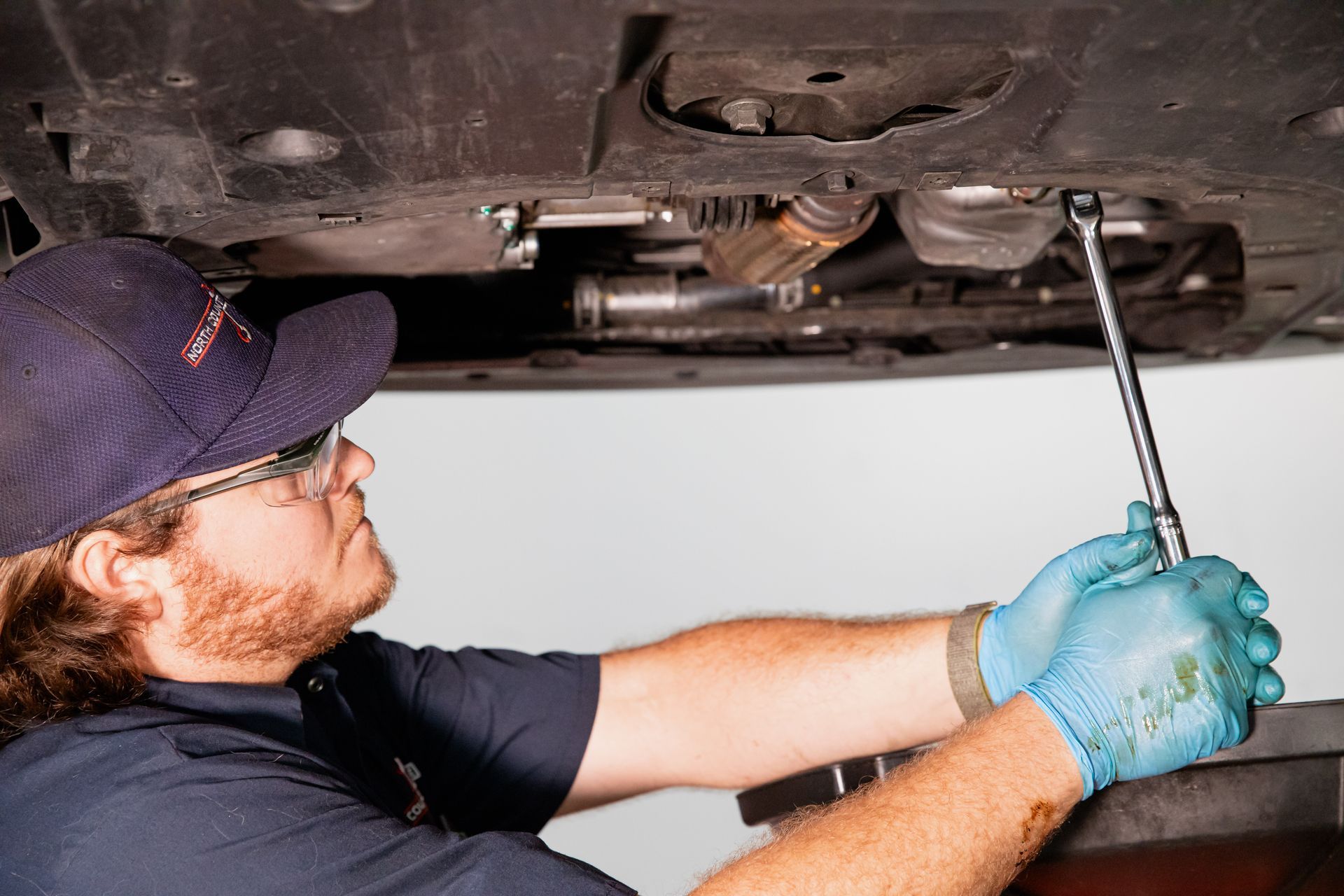
Because multiple systems can produce gasoline odors, accurate diagnosis is essential. Professional technicians use advanced diagnostic equipment to inspect fuel lines, injectors, EVAP components, sensors, and the engine itself to identify the source of the problem.
If your car smells like gas, don't assume it's normal—especially if the odor persists after refueling. A fuel smell in your car can be dangerous, and prompt attention can help prevent fire hazards, protect your engine, and keep you safely on the road.
If you've noticed the smell of gasoline in or around your vehicle, schedule a fuel system inspection before the problem becomes more serious. Early diagnosis is the safest—and often the most affordable—solution.